At AVUS, innovation is not about chasing trends — it’s about refining how sound is created, shaped, and experienced. Every product begins with a simple question: how can it sound better, feel better, and respond better? By combining traditional cymbal-making techniques with modern development, AVUS continuously refines each stage of the process — from alloy selection to hammering and finishing — not to change the identity of the instrument, but to improve its performance. This approach is not about disruption, but controlled evolution. Designed around real playing environments such as live stages, studio sessions, and practice spaces, every improvement is made to be heard and felt, ensuring that it translates into meaningful, real-world performance. Evolving sound, with purpose.
From fire and bronze to rhythm and resonance — Innovation at AVUS is built on three core fundamentals — material, process, and precision. The right alloy is carefully selected based on the intended sound, while shaping, hammering, and finishing techniques are continuously refined to improve response and tonal balance. At the same time, consistency is maintained without stripping away the natural character of each instrument. These elements work together to create cymbals that are both reliable and expressive, capable of performing across a wide range of playing environments. There is no fixed endpoint in this process; each series and every iteration is part of an ongoing cycle of learning and refinement, influenced by real-world usage, player feedback, and continuous internal development. At its core, the AVUS approach to innovation is not about making things different for the sake of it, but about making them work better in ways musicians can actually hear and feel.
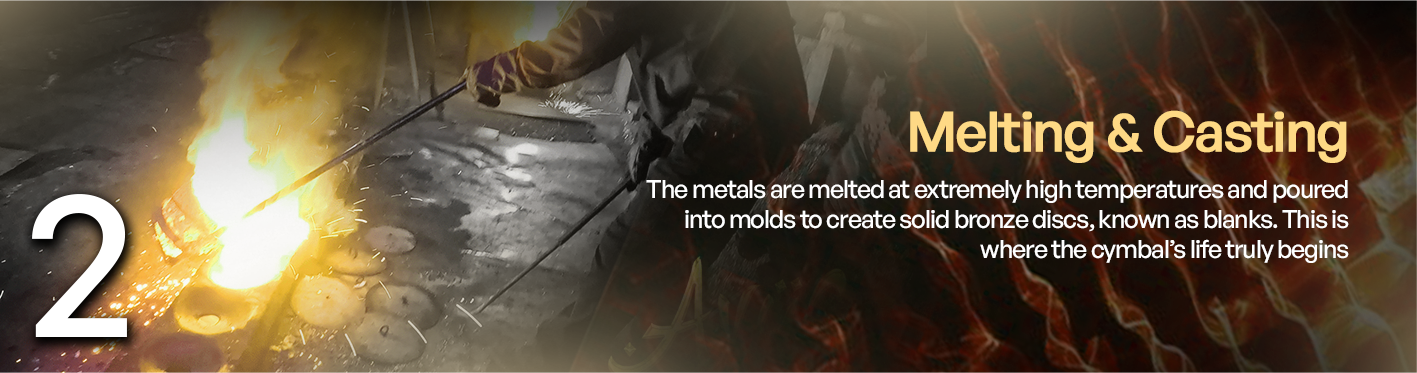
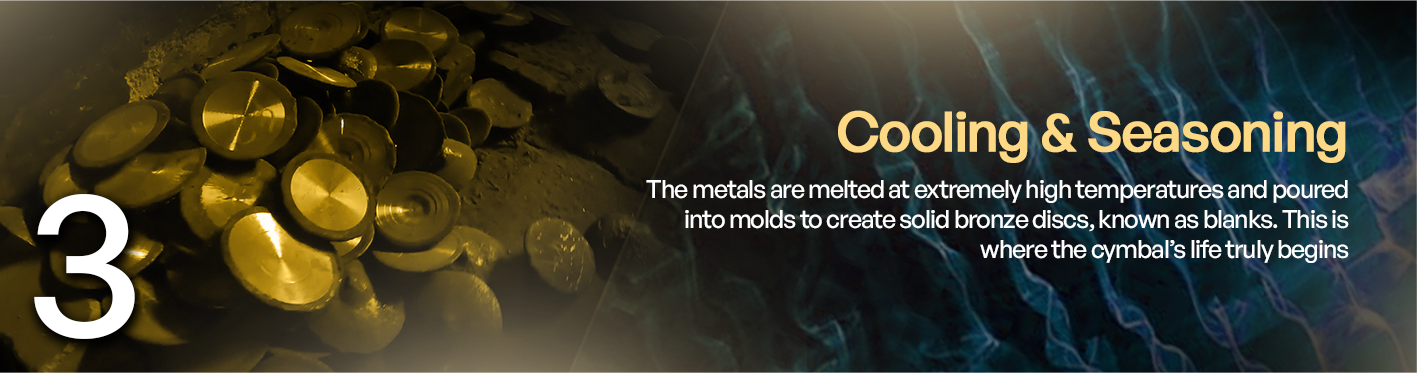
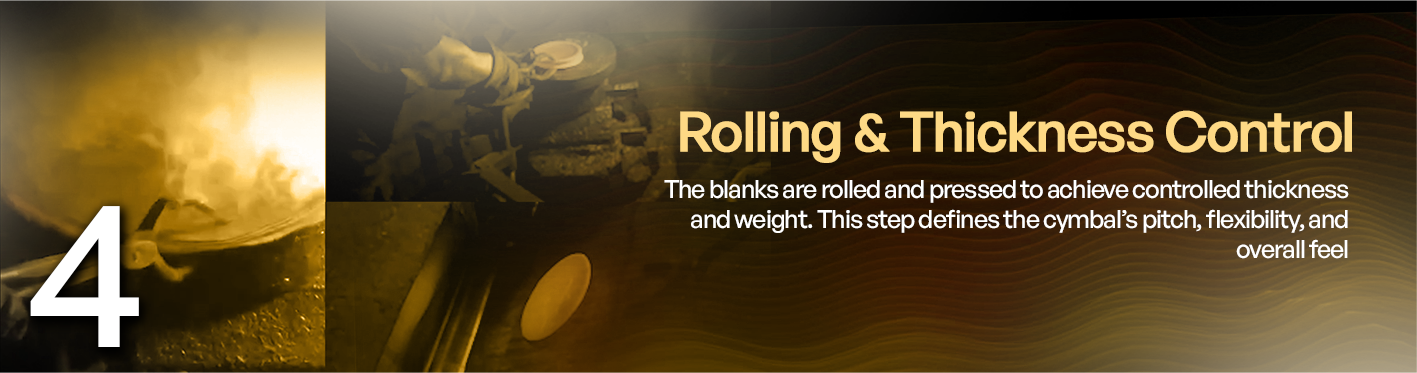
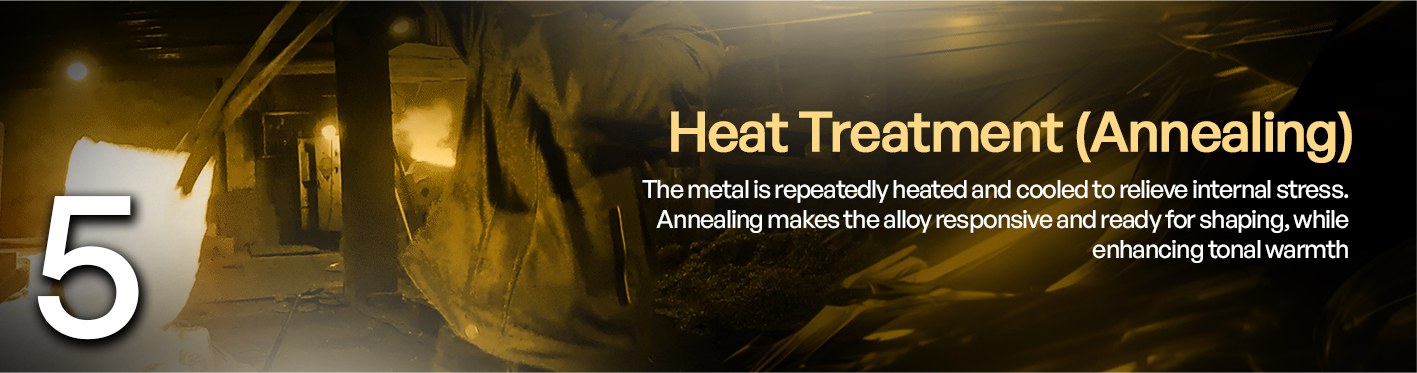
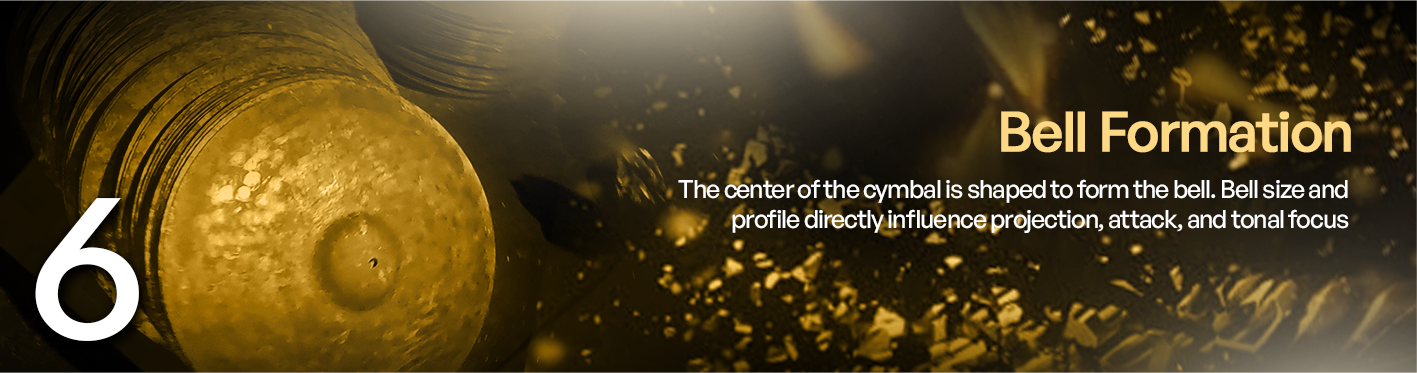
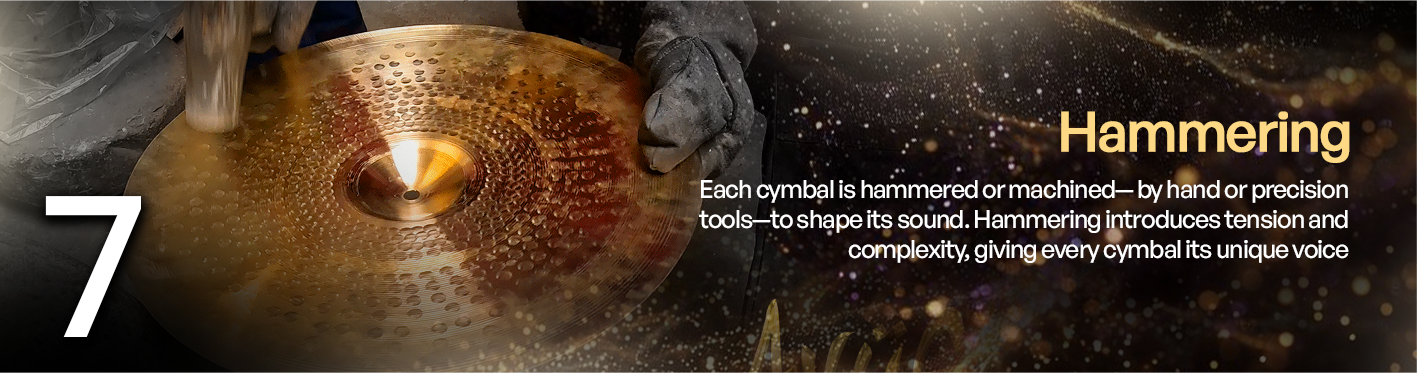
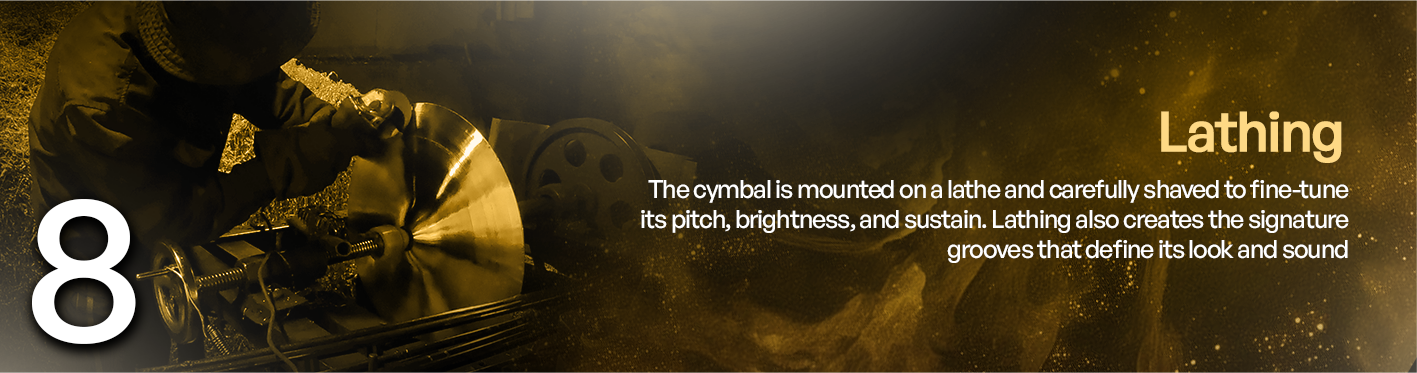
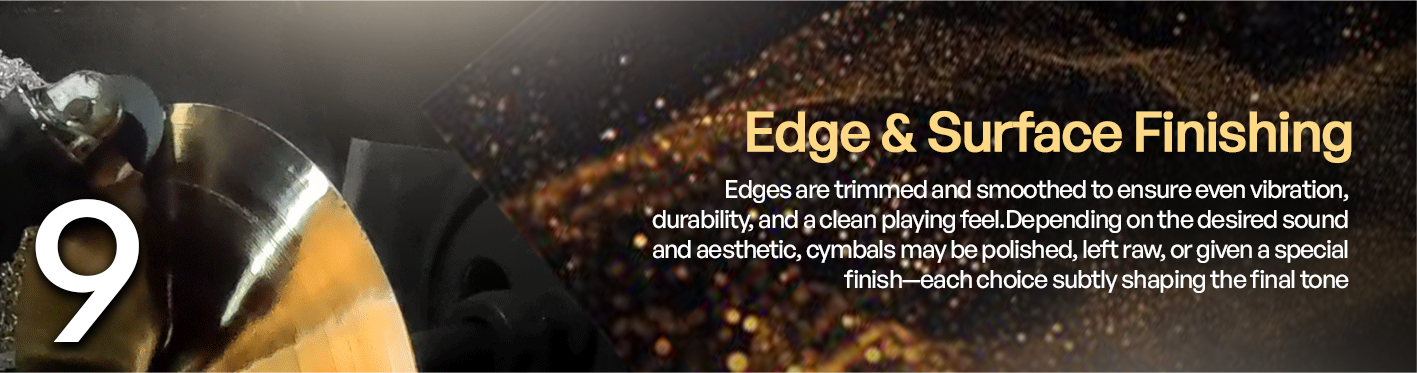
This philosophy carries directly into the resonance shaping process. From fire and bronze to rhythm and response, every AVUS cymbal is formed through a controlled balance of heat, material, and precision. It begins with raw metal, which is shaped and refined through stages of heating, hammering, and finishing, each step playing a critical role in defining how the cymbal opens up, how it sustains, and how it sits within a mix. Subtle variations in the process influence tonal clarity, projection, and overall feel, ensuring that the final result is not just structurally sound, but musically responsive. The goal remains clear — to create a sound that is not only heard, but felt, delivering consistency, musicality, and dependable performance across practice, studio, and live settings, while continuing to evolve without losing its foundation.